Journal article
Bone conduction testing: why a small headband is used
A bone conduction test uses a small headband placed behind the ear to bypass the ear canal entirely. Find out what this reveals about where a hearing problem actually starts, and why the audiologist needs both sets of results.
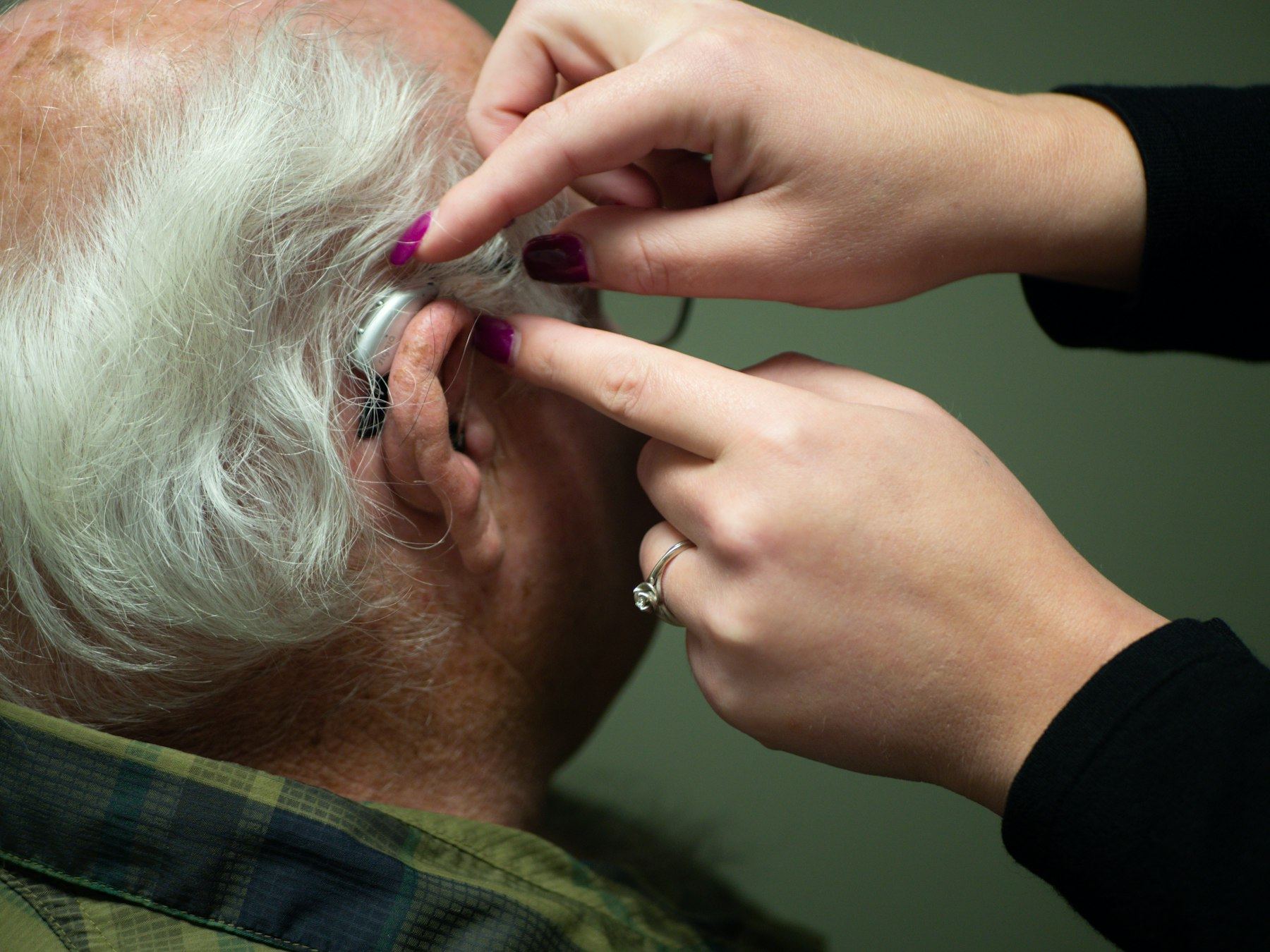
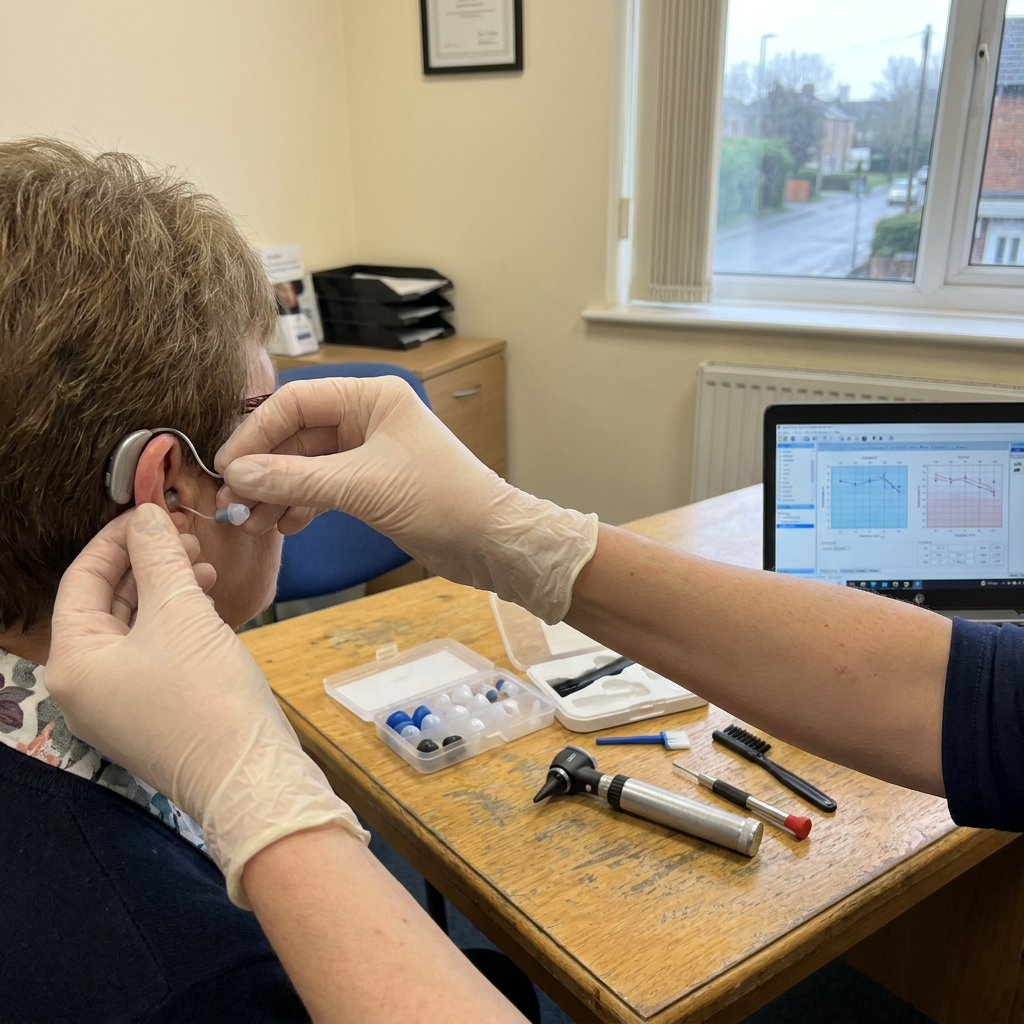
Two routes for sound to reach your inner ear
Sound normally travels through the air in the ear canal, vibrates the eardrum, and passes along three tiny bones before reaching the inner ear. This is called air conduction. There is a second route. Sound can also travel directly through the skull bone to the inner ear, skipping the outer and middle sections completely. This is bone conduction.
When you notice that conversations sound muffled or that you keep turning up the television, the cause might be in the inner ear itself. But it might equally be something blocking the normal path, such as fluid behind the eardrum or a build-up of wax. An audiologist separates these two possibilities by testing both routes during a standard appointment. Comparing the results shows exactly where the sound is being lost. You can read more about what happens during these checks on our page about [hearing tests in Poole](/hearing-tests-poole).
What the headband actually does
During the bone conduction part of the test, the audiologist places a small plastic headband around your head. A flat vibrating pad sits just behind one ear, resting against the mastoid bone. The headband holds it firmly in place so the vibrations transfer properly into the skull.
You will hear a series of tones through that pad, much like the ones played through the headphones earlier in the session. Because the sound bypasses the ear canal and the eardrum, the inner ear receives it directly. If you hear those tones clearly through the headband but struggled to hear them through the headphones, the problem lies somewhere in the outer or middle ear rather than the inner ear.
This distinction matters because the solutions are completely different. A blockage in the ear canal might only need [ear wax removal](/ear-wax-removal-poole), while an inner ear change points toward other options.
Why the audiologist compares both results
The air conduction scores and the bone conduction scores are plotted together on a single chart. When the two lines sit close together, the inner ear is working as expected and any hearing difficulty comes from the nerve or the inner ear structures themselves. When there is a gap between them, sound is being stopped before it reaches the inner ear.
That gap tells the audiologist what kind of problem they are dealing with. It rules out guessing. Without the bone conduction test, someone with a simple wax blockage could be told they have permanent hearing loss. With it, the true picture becomes clear.
If you want to understand how these charts are read and what the numbers mean for your daily life, the guide on [what happens at a hearing test](/what-it-might-be/hearing-test-questions) walks through the process step by step.
What the result means for your next steps
If the headband test shows that your inner ear is fine but sound is being blocked on its way in, the fix is often straightforward. The audiologist might recommend having the ears cleared if wax is the cause. They might suggest further medical checks if fluid or an eardrum issue is suspected.
If both tests show reduced hearing, the inner ear has changed. That is the most common reason people look into [hearing aids in Poole](/hearing-aids-poole). The specific pattern on the chart helps determine which type of aid will work best, because different shapes of hearing loss need different technology.
Either way, the bone conduction test prevents the wrong path from being taken. It takes only a few minutes to complete and removes the uncertainty about whether a muffled feeling in your ear is something temporary or something that needs long-term support.
Ask about a hearing test in Poole
Send an enquiry to arrange a hearing test. A local specialist firm handles the appointment and carries out the checks, including the bone conduction portion.
- No obligation to proceed
- Local appointments available
- Questions answered first