Symptom guide
Ringing in the ears: causes and what to do next
A ringing, hissing or whistling noise in your ear can have several explanations. Find out why it happens, when to book a hearing test in Poole, and which signs mean you should not wait.


Why ears ring and what the sounds mean
People describe the noise in different ways. Some hear a high pitched whistle in one ear. Others notice a hiss, a hum, or something like a kettle boiling. The medical term is tinnitus, but knowing the word does not explain why it started.
Searching for ringing in ears causes usually leads to a few common answers. Age-related changes in the inner ear are one reason. Another is prolonged exposure to loud noise, which gradually affects how the ear processes sound. Sometimes the cause is simpler. A build-up of wax can press against the eardrum and create a sound that was not there before.
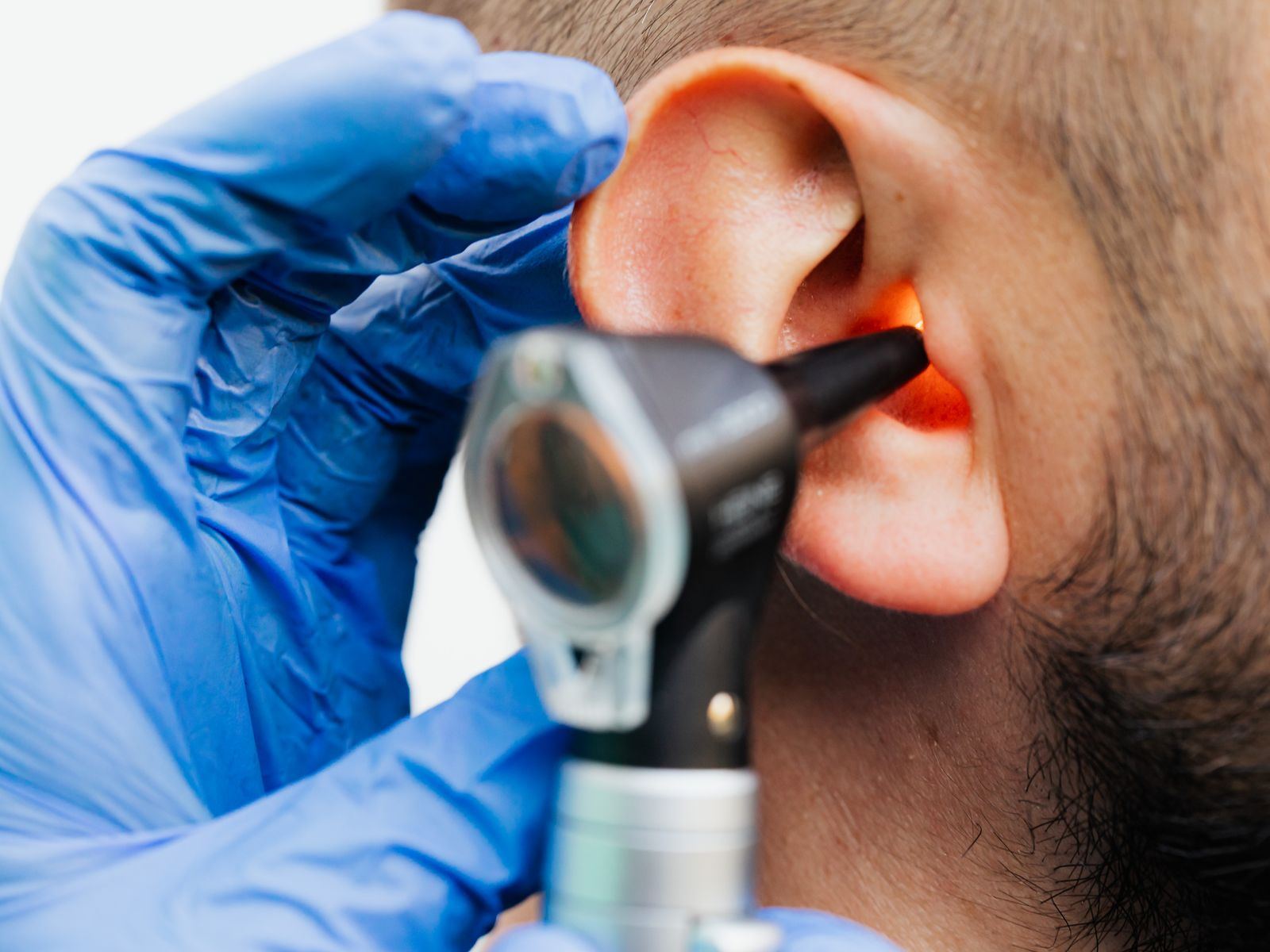
If you are wondering why your ears ring after a loud event, such as a concert near Poole Quay, the noise often fades within a day or two. When it stays, the ear is signalling that something has changed. An audiologist in Poole can examine the ear canal, check the eardrum and run tests to find out what is happening. You can read more about what those checks involve on the [hearing test page](/hearing-tests-poole).
Wax, noise exposure and age-related change
Ear wax is meant to protect the canal, but too much of it causes problems. When wax hardens and blocks the passage, people often report tinnitus and blocked ears together. The muffled feeling and the ringing share the same source. Removing the wax through microsuction or irrigation frequently stops the noise. Specialist firms offering [ear wax removal in Poole](/ear-wax-removal-poole) handle this regularly.
Noise damage works differently. Years spent around machinery, power tools or loud music wear down the tiny hair cells inside the inner ear. Once they are damaged, they send irregular signals to the brain, which interprets them as sound. This kind of hissing does not go away by cleaning the ear.
Age brings its own changes. Hearing tends to shift first at higher frequencies, and tinnitus often follows. For older residents in areas like Broadstone or Corfe Mullen, a routine [hearing check](/poole-and-bournemouth/broadstone) can show whether the ringing matches a pattern of natural hearing loss. Where it does, hearing aids sometimes reduce the noise by restoring the missing frequencies.
When the sound needs attention
A noise that comes and goes for a few seconds is rarely a concern. A sound that lasts for weeks, gets louder, or appears in only one ear deserves a proper look. Ringing in one ear only can point to a local issue, such as a wax plug or fluid behind the drum, rather than general hearing loss affecting both sides equally.
Pay attention to other changes happening at the same time. If conversations sound muffled, or you struggle to follow speech in busy pubs and cafes around Poole, the ringing might be part of a wider shift in your hearing. That combination makes an appointment more urgent.
Sleep is another marker. A hissing sound in the ears at night becomes obvious because the house is quiet. If it keeps you awake or makes you anxious, waiting rarely helps. A specialist firm can assess the situation and discuss options, from simple advice to devices designed to manage the noise. Find out more about [local hearing services](/services-poole) available across the area.
Signs the ringing in your ear needs a hearing test
Tinnitus takes many forms. Some noises fade quickly, while others point to a change in your hearing that warrants a closer look from a specialist firm.
- 1
A constant whistle or hiss
A steady tone lasting more than a few days suggests the ear has changed. It may be temporary, but a test clarifies the situation.

- 2
Sound in just one ear
Ringing isolated to one side often has a specific local cause, such as wax or fluid, rather than general age-related change.
- 3
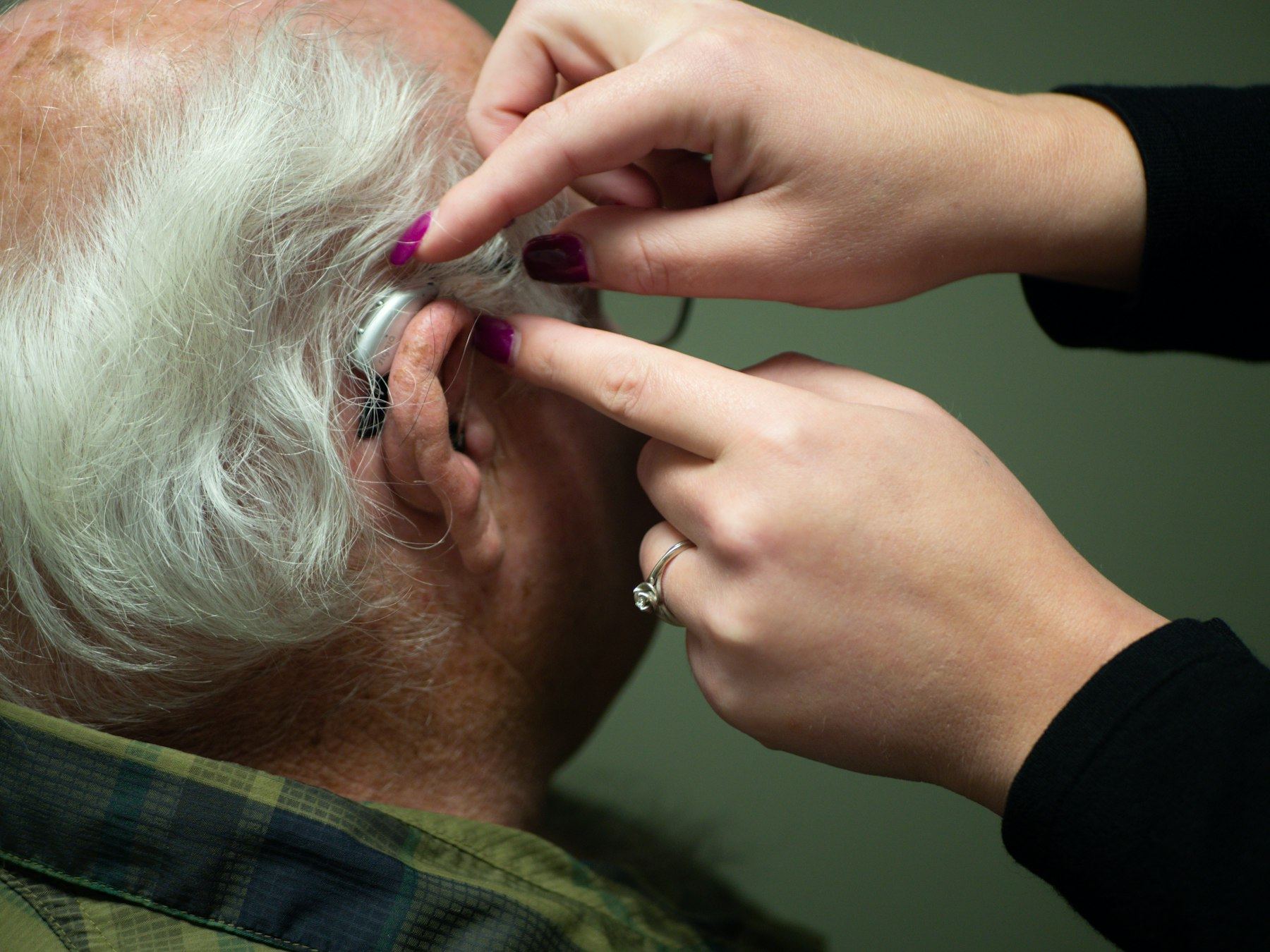
Muffled hearing alongside it
When voices sound dull and a noise is present, the two symptoms usually share a single explanation worth investigating.

- 4
The noise disrupts sleep
A hiss or hum that becomes obvious in a quiet bedroom and prevents rest is a practical reason to seek help promptly.
Questions about ringing in the ears
High whistle in one ear for a fortnight, get checked?
Two weeks is long enough to warrant a hearing test. A persistent high pitched whistle in one ear can stem from wax, fluid, or a change in hearing thresholds. A specialist firm in Poole can examine the ear and determine the cause.
Could the ringing just be wax, and would having it removed stop the noise?
Yes. Hardened wax pressing on the eardrum frequently causes ringing. If wax is the sole reason, professional removal often stops the noise entirely. An examination confirms whether wax is actually present before any procedure takes place.
My hearing feels muffled as well as ringing, does that change what I should do?
It makes booking a test more important. Tinnitus and blocked ears occurring together suggest a physical obstruction or a shift in hearing sensitivity. Both situations benefit from a full assessment by an audiologist rather than waiting to see if it clears.
Should I see my GP in Poole first or book a hearing test straight away?
For ringing without pain, discharge or sudden dizziness, booking a hearing test directly is usually faster. A specialist firm can examine the ear and test hearing in one visit. A GP remains the right choice if you have pain or other medical symptoms.
Does ringing in one ear only mean something different from both ears?
Often it does. Ringing in one ear only points toward a local cause such as a wax blockage or middle ear fluid. Noise in both ears more commonly relates to general hearing loss or past noise exposure. A test distinguishes between these.
I worked with machinery for years, is the hissing likely to be noise damage?
Prolonged exposure to industrial noise is a frequent cause of persistent hissing. Damage to the inner ear hair cells produces exactly this symptom. A hearing test measures the extent of any loss and shows whether hearing aids might help manage the noise.
What should I do if the noise keeps me awake at night?
Mention it when you book a hearing test. A hissing sound in the ears at night is common because background noise drops away. Specialist firms can advise on management strategies and check whether treating an underlying hearing loss reduces the problem.
Is there any point having a hearing test if the ringing comes and goes?
Intermittent ringing still leaves a trace on a detailed hearing assessment. Early shifts in hearing often produce temporary tinnitus before becoming constant. Testing now establishes a baseline so future changes can be measured accurately.
Find out what the ringing means
Send an enquiry about the noise you are hearing. A specialist firm will review the details and arrange a hearing test in Poole. Submitting a question does not commit you to treatment or purchase.
- No obligation to proceed
- Local appointments available
- Clear, plain answers