Family guide
Arranging a hearing test for an elderly parent
Find out how to raise the subject gently, what details help at the appointment, and how booking a hearing test for an elderly parent in Poole works when you are making the enquiry on their behalf.
Raising the subject without causing upset
Noticing that your parent cannot hear the television or keeps asking you to repeat yourself is often the first sign something has changed. Starting the conversation can feel difficult because nobody wants to seem critical. A good approach is to mention what you have noticed rather than telling them what they need. You might say you have noticed the volume is much louder lately and ask if things sound different to them.
Framing it as a routine check helps take the pressure off. An elderly hearing check in Dorset is a standard appointment, much like visiting an optician. If your father worries about losing his independence, point out that hearing clearly makes daily life easier, not harder. Reading more about talking to a family member about hearing loss can give you extra words to use when the moment feels right.
Booking an appointment on someone else's behalf
You can arrange a hearing test for mum or dad by contacting a local clinic directly. When booking an appointment for a relative in Poole, explain that you are calling on their behalf and that they have agreed to attend. The reception staff will note your details alongside theirs so everyone knows who to speak to on the day.
Clinics across Poole handle these enquiries regularly. Whether you choose a location near Broadstone, Creekmoor or Canford Heath, the process is the same. You provide the name, date of birth and a contact number. If your parent lives closer to Oakdale or Corfe Mullen, picking the nearest branch means less travel for them. Mention any mobility issues or access needs when you call so the room can be prepared before they arrive.
What information to bring on the day
The audiologist needs a clear picture of your parent's health to interpret the results properly. Bring a list of any medications they take, including over-the-counter tablets. Some prescriptions affect hearing or balance, so this detail matters. If they wear glasses, bring those too, since reading instructions during the test requires clear vision.
Note down specific situations where they struggle. Perhaps they lose track of conversations in busy pubs and cafes, or they stopped answering the phone because they cannot hear it ring. These examples tell the specialist which frequencies to focus on. If there is a history of ear problems, such as frequent infections or past surgeries, write that down. The more context you provide, the more useful the appointment becomes for everyone involved.
Sitting in during the hearing test
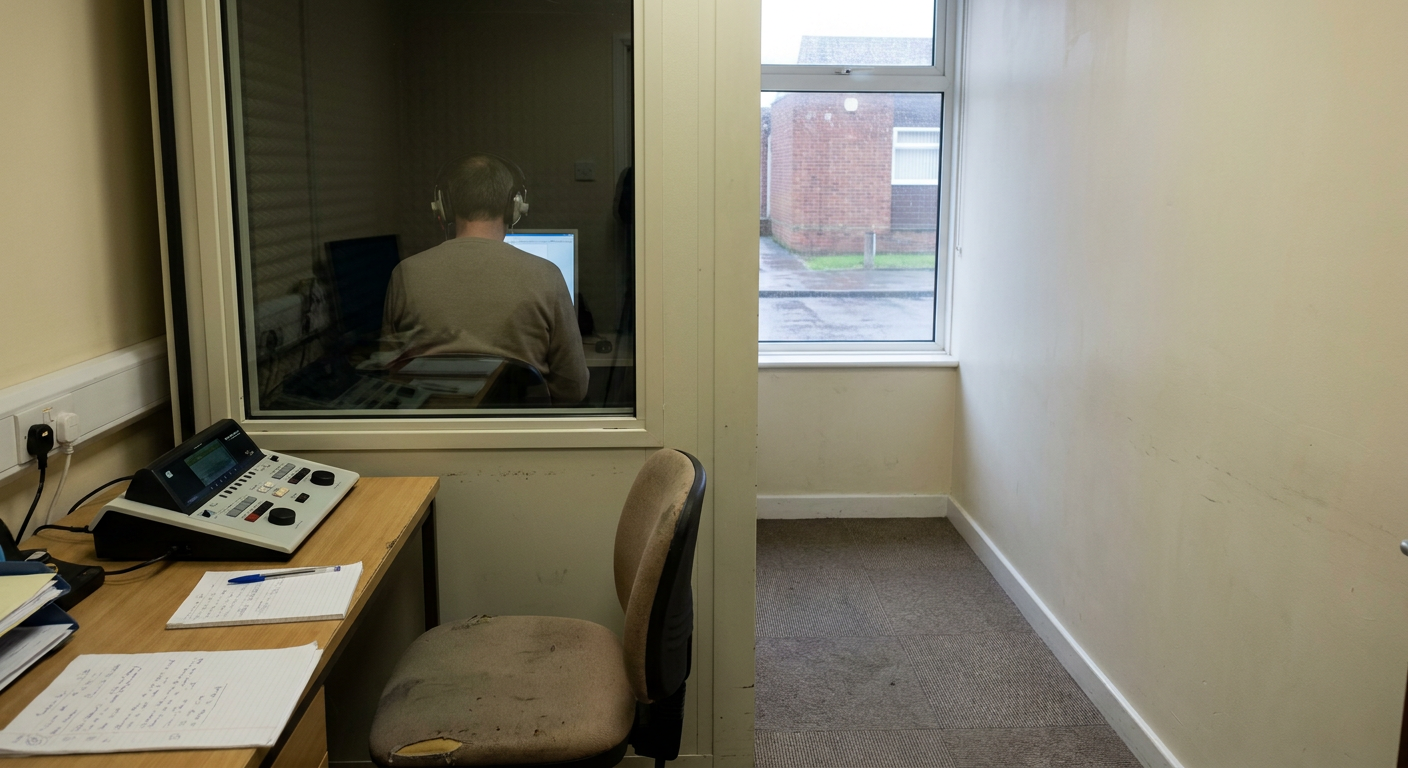
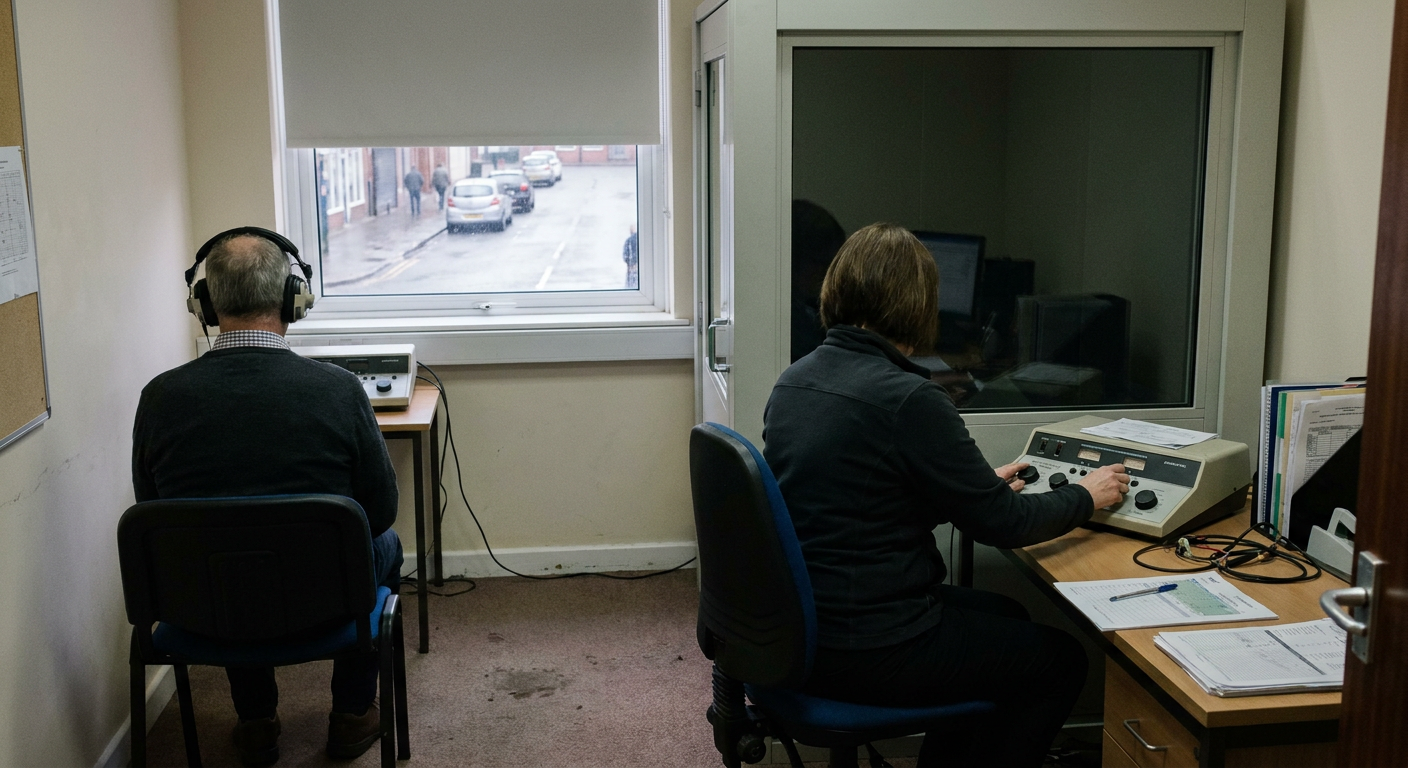
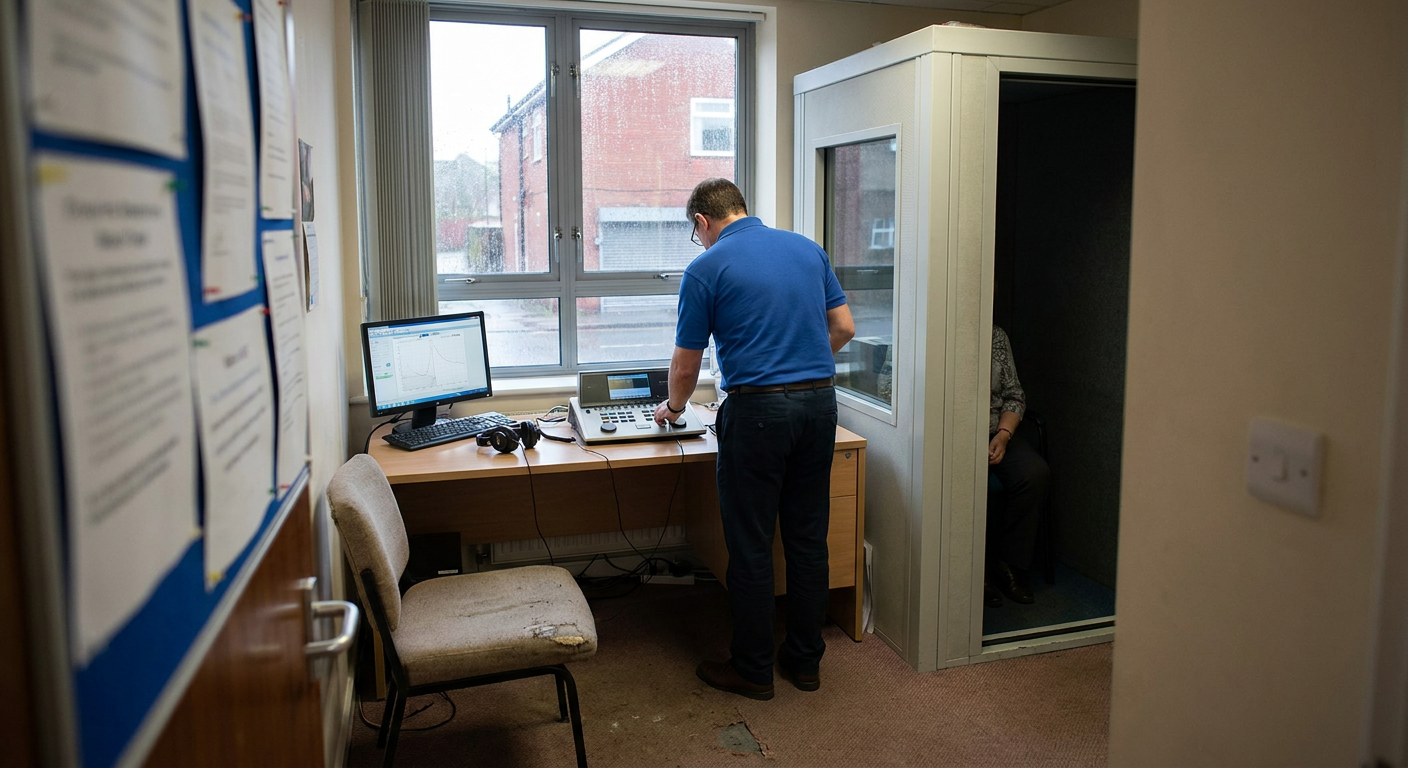
Most clinics in Poole welcome a family member into the testing room. Sitting beside your mother or father can settle their nerves, especially if they feel unsure about the equipment or the steps involved. You will not be asked to answer questions for them, but your presence alone often helps them stay relaxed.
Before the test begins, the audiologist will explain the procedure. You will hear the same instructions they do. Sometimes people with cognitive difficulties, including dementia, find the quiet booth confusing. Having you there gives them a familiar anchor. If at any point they become distressed, the specialist will pause. There is no time limit, and the session moves at whatever pace suits the person being tested.
When travelling to a clinic is too difficult
Some older people cannot make the journey to a high street clinic, even with help. In those cases, a home visit hearing test in Poole is worth asking about. The specialist brings portable equipment and carries out the same checks they would in a consulting room, just at the kitchen table or in the living room.
This option removes the stress of parking, waiting rooms and unfamiliar buildings. It also lets the audiologist see how your parent manages sound in their own environment. They can observe the acoustics of the rooms where your parent spends most of their time and factor that into any recommendations. Ask about availability when you first enquire, since not every firm offers home visits every day of the week.
Discussing hearing aids and payment
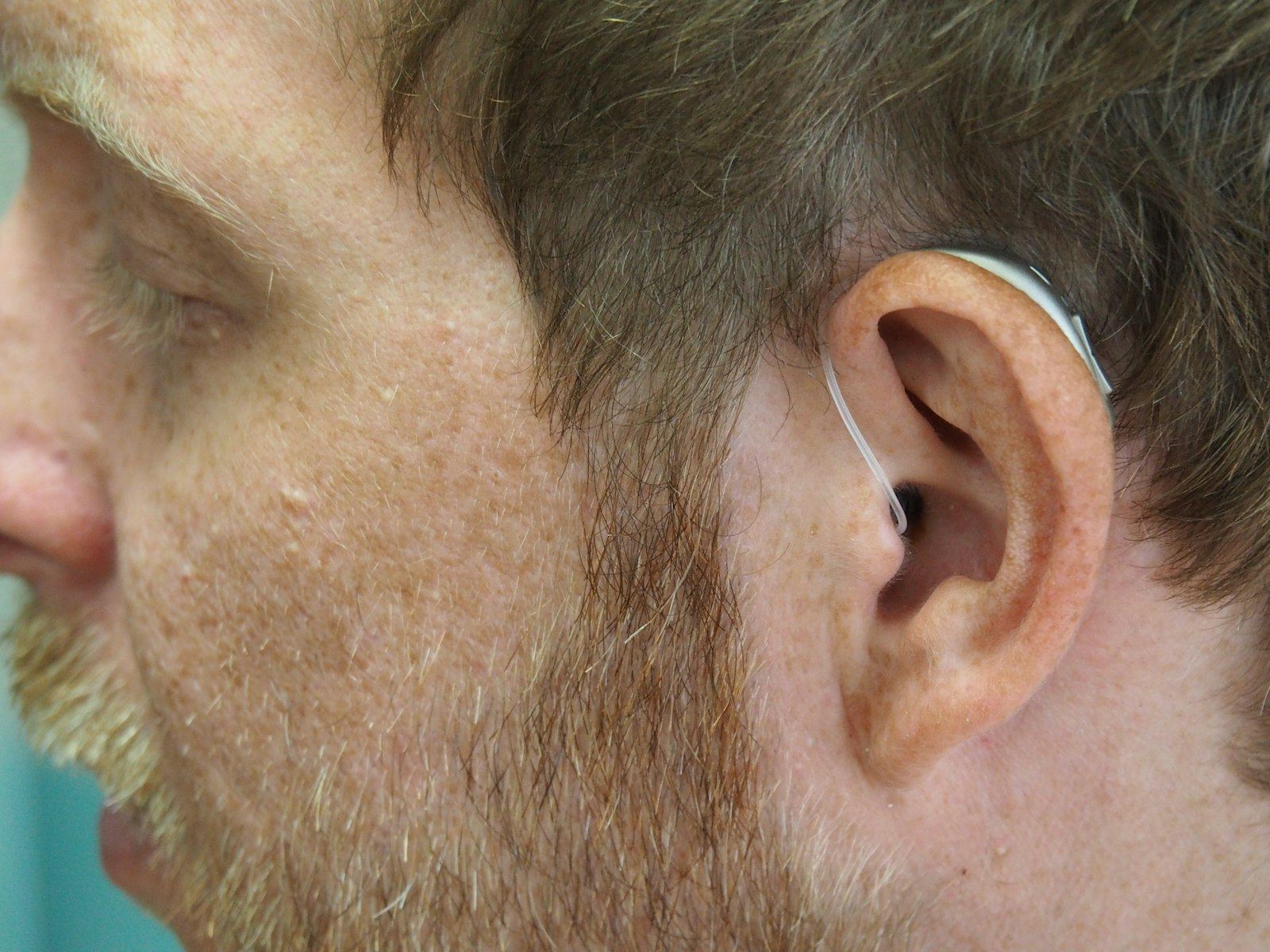
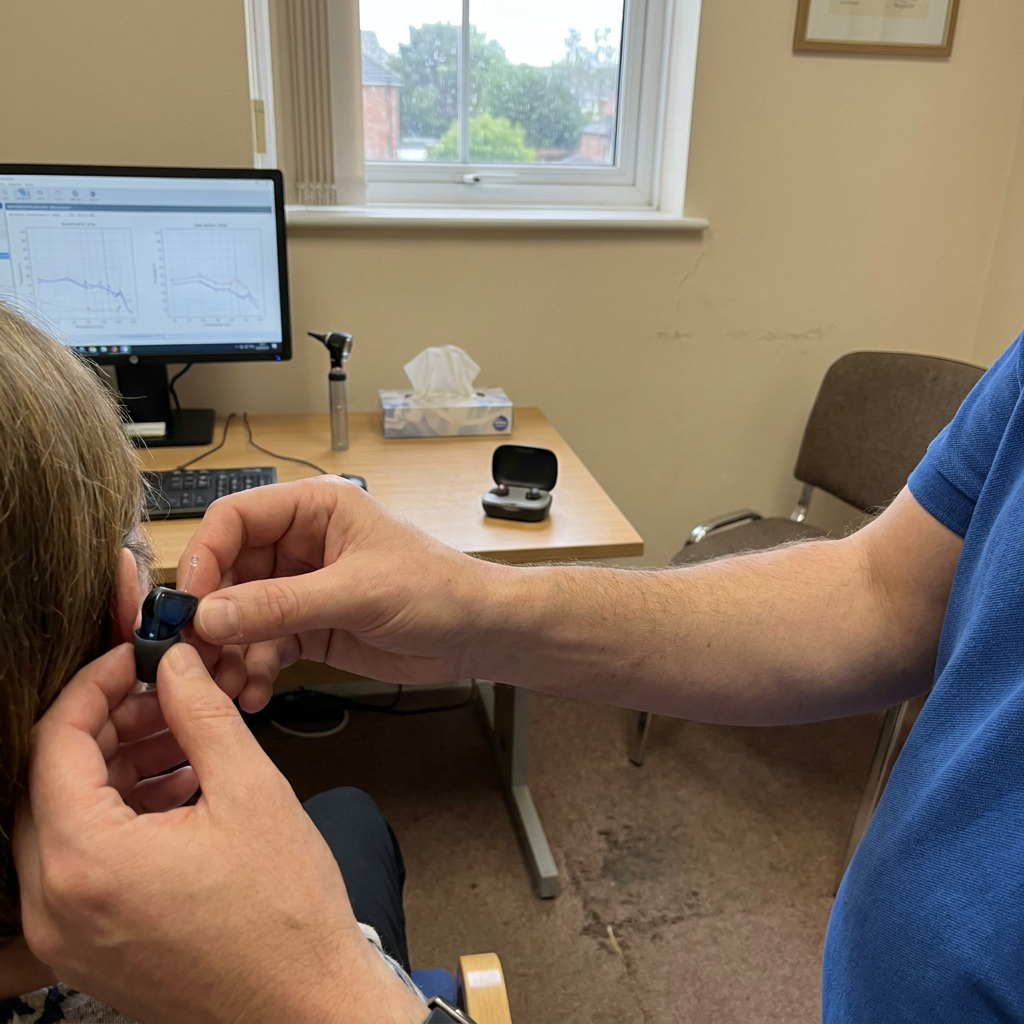
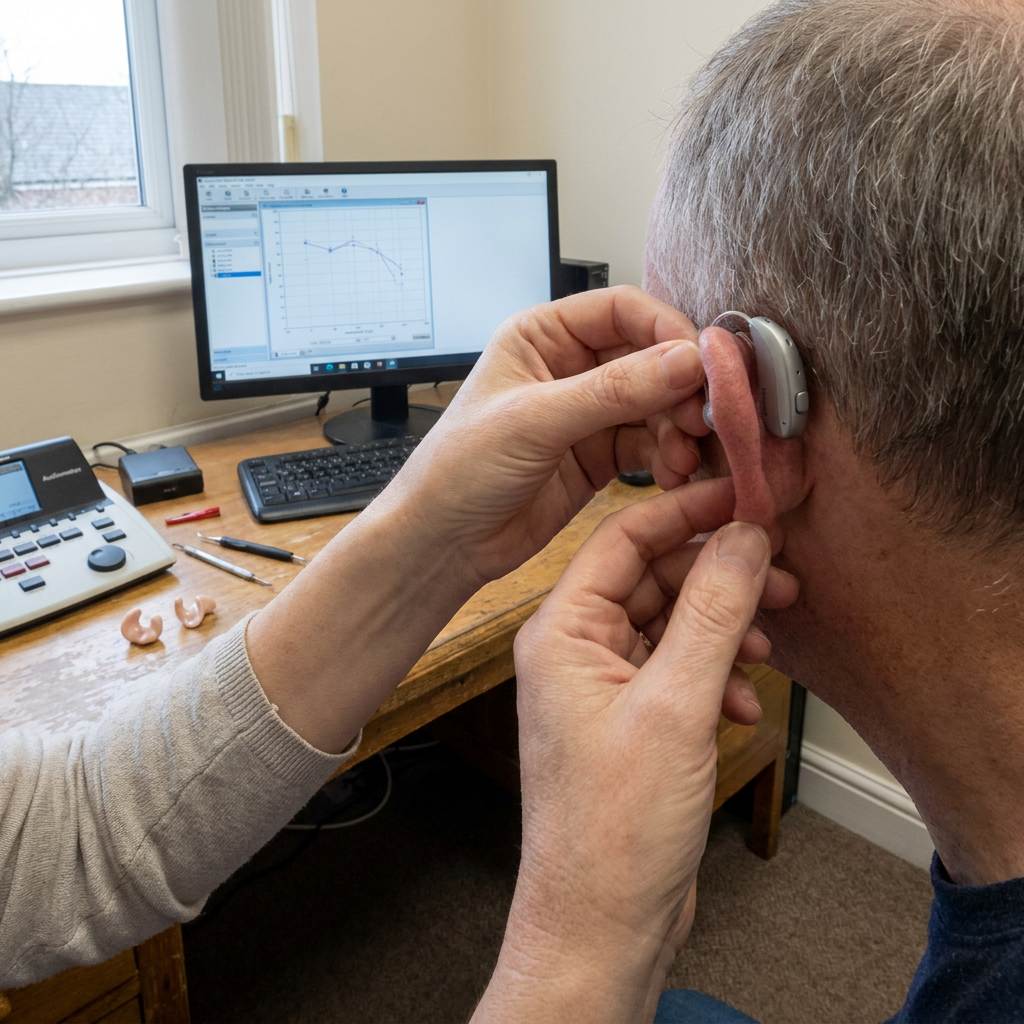
If the test shows a loss that would benefit from amplification, the audiologist will talk through options for hearing aids for older people in Poole. Styles range from small devices that sit inside the ear canal to larger models that hook behind it. The choice depends on the type of loss, dexterity and personal preference.
Payment is usually discussed after the recommendation is made. You can ask the clinic directly about costs, finance arrangements or whether any funding applies. If your parent is hesitant about wearing aids afterwards, the specialist will explain the adjustment period. Many people resist at first because everything sounds strange. Follow-up appointments are built in to tweak settings and build confidence. Forcing the issue rarely works, but gentle encouragement and showing them how much easier conversations become often does.
Signs your parent might need a hearing check
Hearing loss in older adults tends to happen slowly. Because the change is gradual, the person affected often does not notice it themselves until everyday tasks start to feel harder.
- 1
Television volume turned up high
Other household members find the sound uncomfortably loud while your parent says it seems normal. This often points to reduced sensitivity to certain pitches.
- 2
Asking people to repeat themselves
Frequent requests to say things again, particularly in group settings, suggest background noise is masking speech they used to follow easily.
- 3
Withdrawing from conversations
Someone who used to join in may go quiet or leave the room. Keeping up with fast exchanges takes effort when sounds lack clarity.
- 4
Missing the doorbell or phone
High-pitched sounds like rings and alarms are often the first to fade. Your parent may genuinely not hear visitors arriving at the door.
Choosing between a clinic visit and a home test
Both options deliver the same clinical checks. The right one depends on how easily your parent can travel and where they feel most at ease.
| Clinic appointment | Home visit | |
|---|---|---|
| Travel required | Clinic appointmentYour parent needs transport to the clinic and back home again. | Home visitThe audiologist travels to your parent's address in Poole. |
| Familiar surroundings | Clinic appointmentThe testing room is new and quiet, which some find calming. | Home visitBeing at home reduces anxiety for people who dislike unfamiliar places. |
| Equipment available | Clinic appointmentFull diagnostic tools are fixed in the consulting room. | Home visitPortable devices cover all standard checks accurately. |
| Follow-up ease | Clinic appointmentReturning for adjustments means another trip to the same building. | Home visitSubsequent visits can also take place at home if needed. |
The audiologist advises which setting suits best once they understand your parent's circumstances.
Enquire about a test for your parent
Send a few details about your parent's situation. A local audiologist will respond to discuss options and arrange an appointment. Nothing is committed to at this stage.
- No obligation to proceed
- Local Poole specialists
- Enquiries handled carefully