Local guide
Can't hear in noisy pubs
Find out why speech disappears in background noise before quiet sounds do, how an audiologist measures the difference, and what happens at a local appointment if you struggle to follow conversations on the quay.
Why the quay is harder than your living room
Sitting in a pub on Poole Quay with friends should be easy. But when the room fills up, you might notice you cant hear in noisy pubs the way you used to. At home, where the television volume stays low and nobody talks over each other, everything sounds fine. In a busy bar near the marina, the clatter of glasses and overlapping voices drown out the person sitting opposite you.
This happens because understanding speech in background noise demands more from your ears and brain than simply detecting a quiet sound. The high-pitched consonants that distinguish one word from another are easily masked by low-frequency chatter and music. If those higher frequencies have started to fade, trouble following conversation in pubs is usually the first place you notice it.
How hearing loss in background noise differs from quiet loss
A standard hearing check often involves sitting in a silent booth and pressing a button when you hear a beep. That measures your threshold for pure tones. Someone can pass that test comfortably and still struggle to hear in noise, because the ability to separate speech from competing sounds relies on different mechanisms.
When the tiny hair cells inside the inner ear lose sensitivity to certain pitches, the brain receives a blurred signal. In a quiet room, context fills the gaps. In a crowded cafe overlooking Holes Bay, there is no silence left to work with. This gap between a normal tone test and real-world difficulty is one of the early signs of hearing loss that people frequently dismiss as rooms simply being too loud.
What a speech in noise test Poole clinics offer can show
To find out whether the problem is wax, a shift in thresholds or something else, an audiologist will run specific checks. A speech in noise test Poole residents book presents recorded words mixed with background babble through headphones. You repeat what you hear while the competing noise gets louder.
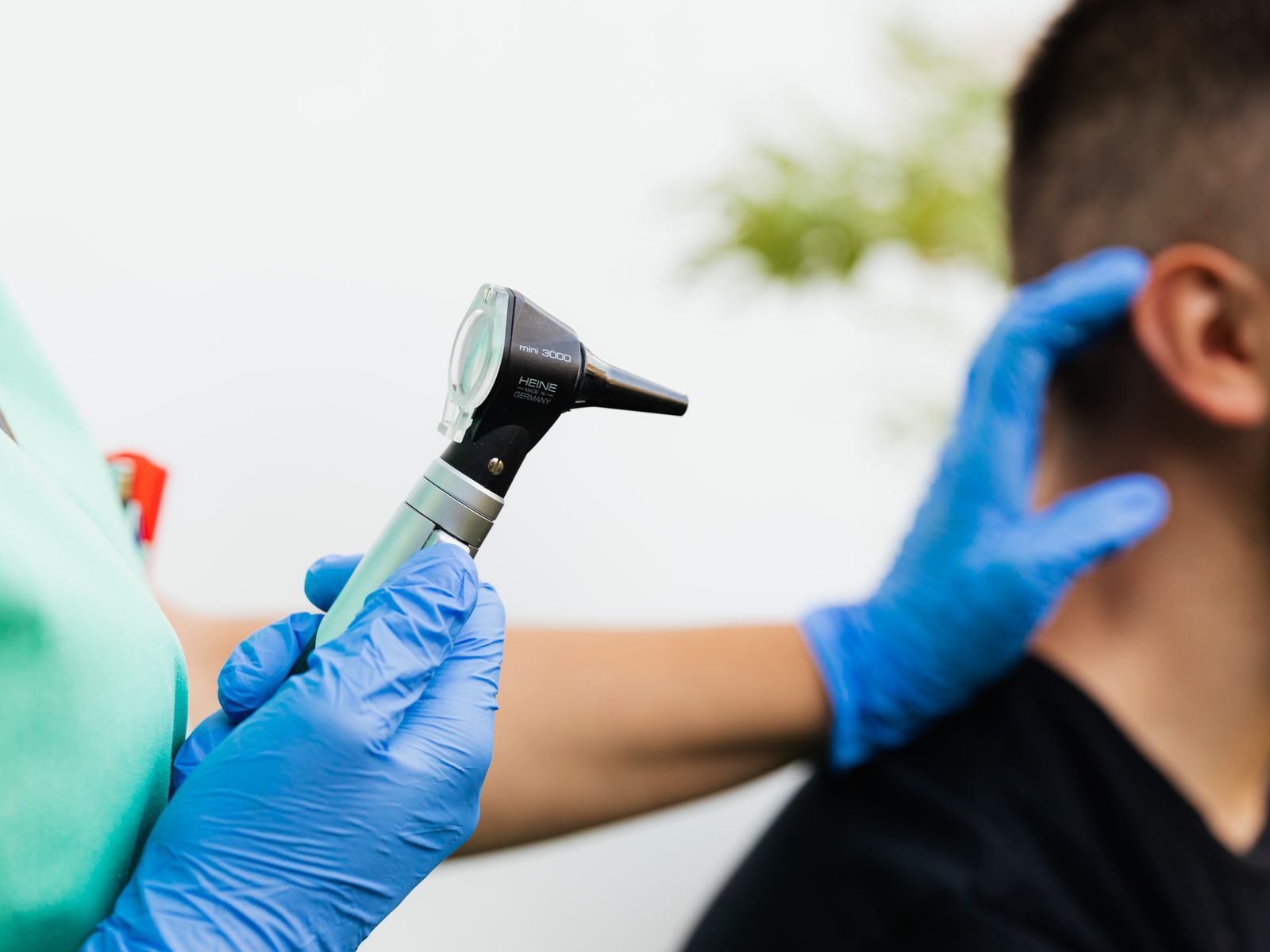
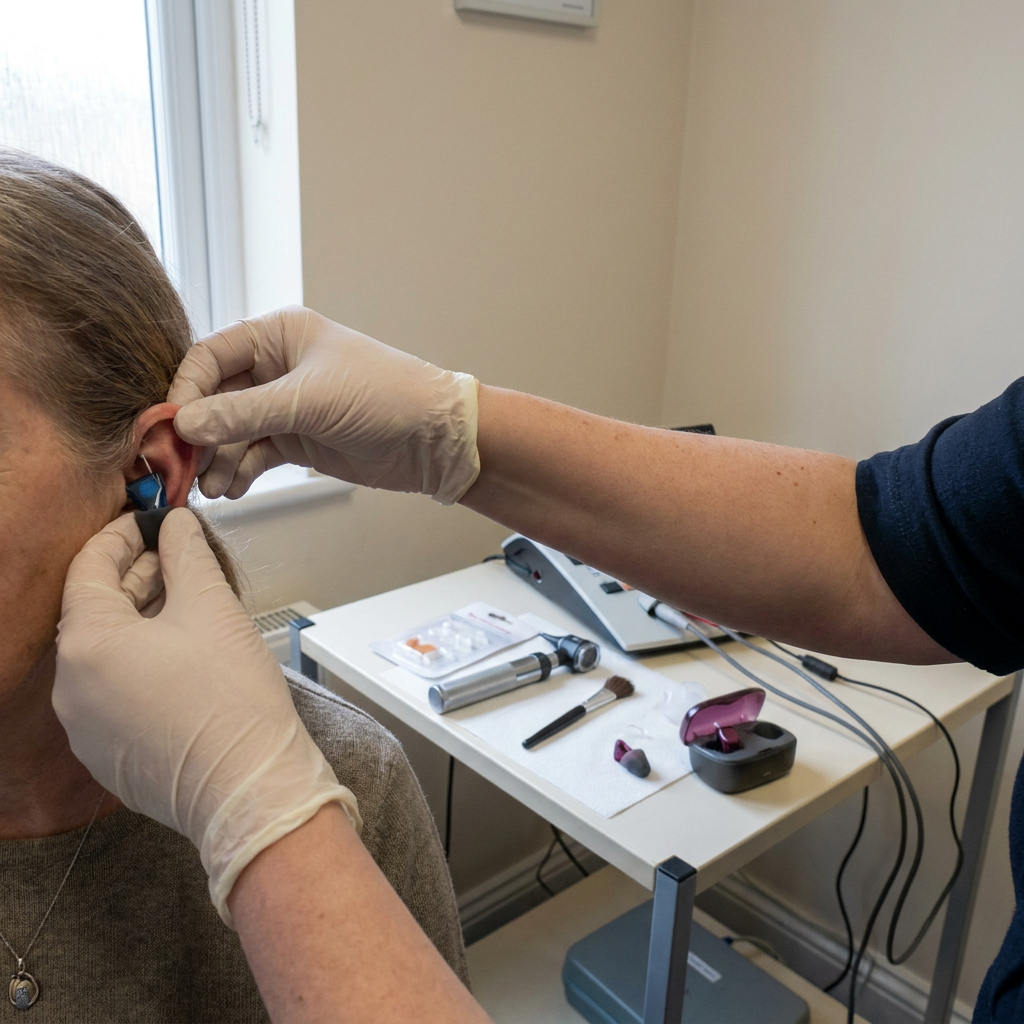
The specialist measures the exact signal-to-noise ratio where speech becomes unclear. This reveals how much effort your hearing requires in a real setting. Alongside this, they examine the ear canal to rule out a physical blockage. Sometimes a build-up of wax is the entire cause, and microsuction clears it in minutes. Other times, the results point toward a genuine drop in sensitivity that needs managing rather than cleaning. The appointment produces a clear picture of what is happening and what would help.
What your experience in a loud room might mean
The same difficulty in a busy pub can stem from several different causes. Here is what specific experiences tend to point toward, and how a specialist confirms which one applies to you.
- Words vanish when music plays
- Often points to reduced high-frequency sensitivity masked by quiet rooms. A full audiogram and speech-in-noise check confirm it.
- Ears feel blocked after swimming
- Trapped water or softened wax can muffle sound temporarily. An examination of the canal shows whether removal is needed.
- Ringing starts after a loud night
- Suggests the inner ear worked hard against the volume. An audiologist measures any temporary or lasting shift in thresholds.
- I hear people but not their words
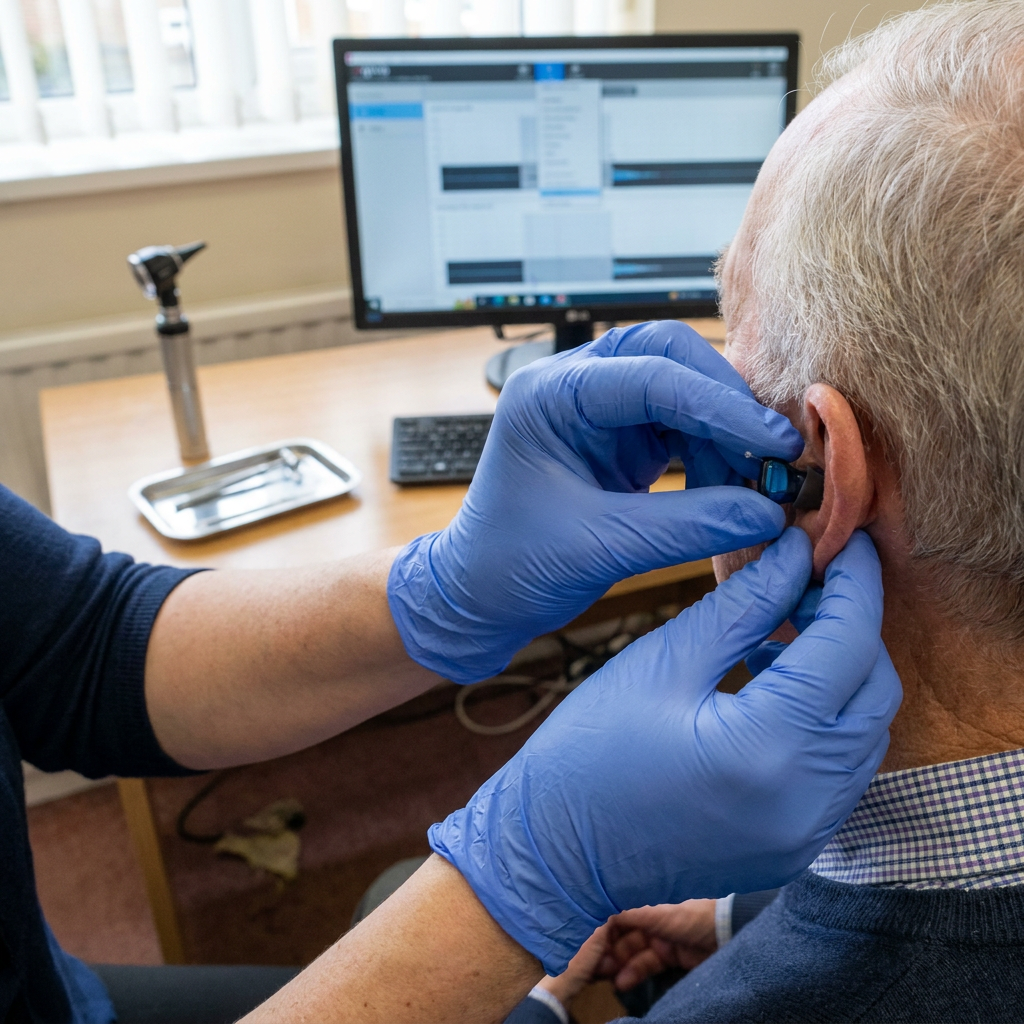
- Difficulty separating speech from background noise often points to reduced clarity in certain frequencies rather than a loss of volume. A specialist audiologist can measure this directly using specific tests that play recorded words against competing sounds.
Questions about struggling to hear in busy places
Why can I hear fine at home but not in a busy pub on the quay?
Home environments lack competing noise. Pubs on the quay layer music, glassware and multiple conversations together, exposing any mild drop in the high frequencies needed to pick out individual words.
Is struggling in background noise an early sign of hearing loss?
Yes. Difficulty separating speech from noise frequently appears before someone notices a problem in quiet settings. It reflects a subtle loss of clarity rather than sheer volume.
What test shows how I cope with speech in noise?
A speech in noise test plays recorded sentences against background babble through headphones. The audiologist gradually lowers the volume and measures the quietest level at which you can repeat the words accurately. This shows how your hearing copes when competing sounds are present, rather than just measuring silence.
Could it just be wax rather than hearing loss?
Yes. Compacted wax blocks sound physically before it reaches the eardrum. A specialist examines the ear canal first. If wax is the cause, microsuction removes it safely, and hearing often returns immediately without any further treatment or devices being needed at all.
Does this mean I need hearing aids straight away?
No. A test result alone does not mandate aids. If the drop is mild, the audiologist might suggest communication strategies or periodic monitoring before discussing devices.
How long does an appointment take and what will it cost?
A full assessment usually takes under an hour. Enquire through this site to receive current pricing from the specialist firm handling appointments in Poole. They confirm costs before the appointment starts so you know exactly what to expect when you arrive for your check.
Would hearing aids actually help in a loud cafe?
Modern hearing aids include directional microphones designed specifically for noisy rooms. They reduce background chatter while amplifying the person speaking directly to you. An audiologist programs these settings based on the environments where you struggle most, such as busy quayside pubs or crowded cafes.
What should I do next if the test comes back normal?
If thresholds are normal but difficulties persist, ask the audiologist about auditory processing assessments. These look at how the brain interprets sound rather than how the ear detects it. The specialist may also suggest specific listening strategies tailored to the venues you visit regularly.
Ask about a hearing check in Poole
Send an enquiry about your hearing. The details go to a specialist firm who arranges the appointment. Submitting a question does not commit you to a booking or a purchase.
- No obligation to proceed
- Local appointments available
- Clear answers provided