Journal article
Can you fail a hearing test? What the results show
A hearing check does not have a pass mark. The audiologist measures how your ears respond to different sounds and explains what those numbers mean for your daily life, so you know exactly where things stand.

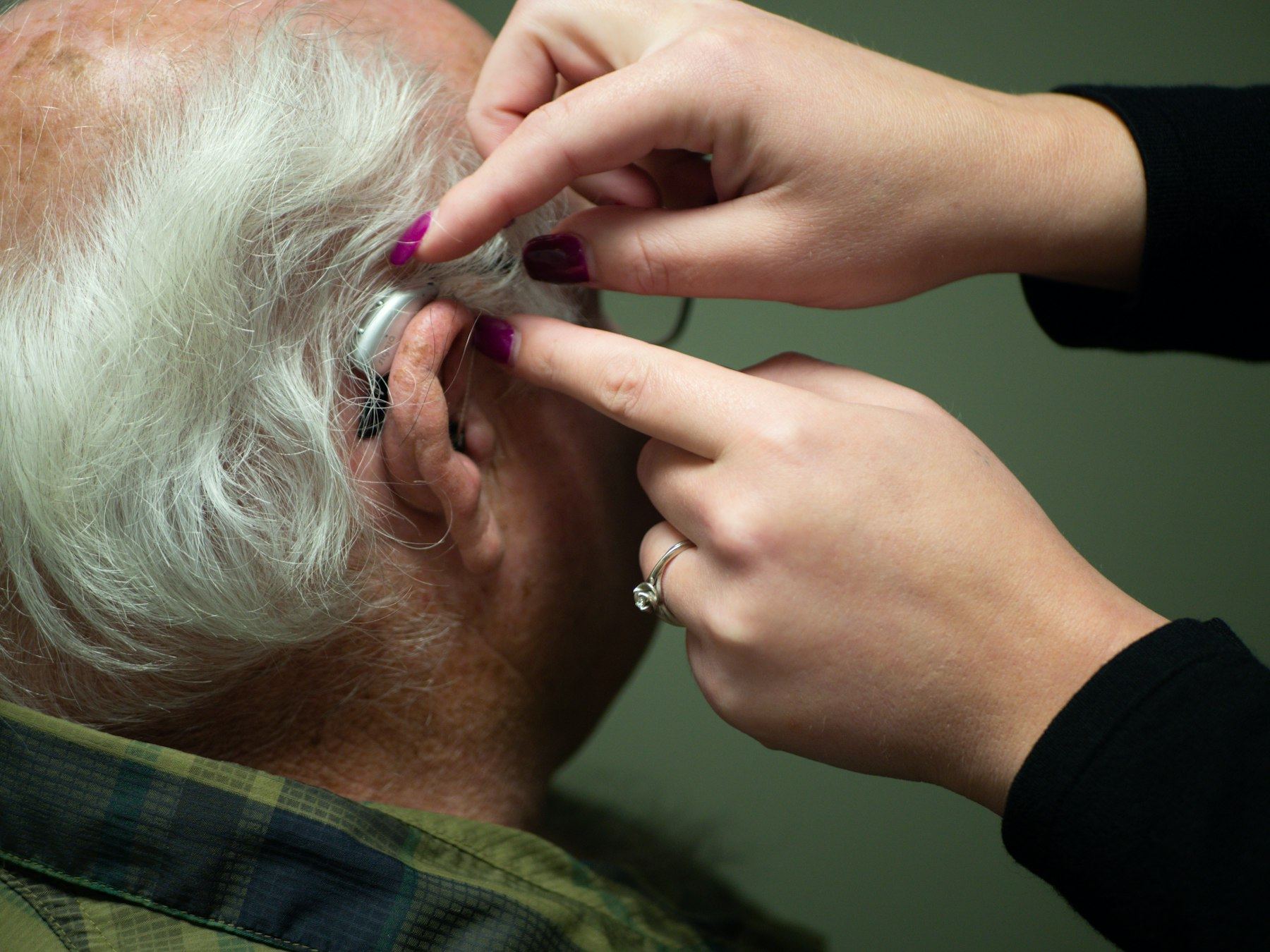
Why a hearing check is not an exam
People often ask if they can fail a hearing test. The short answer is no. A hearing check is a measurement, much like having your blood pressure taken. There is no score to beat and nothing to study for beforehand.
The specialist firm carrying out the appointment uses tones and spoken words to find out which sounds reach you clearly and which ones do not. They record the quietest volume you can detect at several pitches. Those readings form a picture of your hearing on that particular day.
If you miss some of the quieter beeps, it does not mean you have done something wrong. It simply tells the audiologist where your ears need more help. You can read more about what happens during the appointment itself on the page covering [hearing test questions](/what-it-might-be/hearing-test-questions).
Going in with the worry that you might fail adds stress to a process meant to give you clarity. Knowing there is no pass or fail makes it easier to relax and respond naturally to each sound.
Reading the audiogram after your appointment
Once the checks are finished, the audiologist plots your responses on a graph called an audiogram. This chart shows two things: pitch, measured from low to high, and volume, measured from soft to loud.
Each ear gets its own line. If both lines sit near the top of the chart, you hear very quiet sounds across most pitches. If a line drops lower on one side, it means you need sounds to be louder at those specific pitches before you notice them.
This graph is the starting point for any conversation about next steps. It shows whether a change is mild, moderate or more pronounced. The audiologist will talk through the shape of your results and explain how they relate to the situations you find difficult, such as following conversations in busy rooms.
You do not need to interpret the chart yourself. The specialist doing the test will walk you through every part of it. For a fuller picture of the appointment, the guide on [how long a hearing test takes](/journal/how-long-a-hearing-test-takes-and-what-happens-next) sets out the timing and sequence.
What the results mean for daily life
Numbers on a graph only matter because of what they change at home. A dip in the higher pitches often makes it hard to hear consonants, so speech sounds muffled even when people are talking loudly. That is why someone might struggle in a noisy pub but manage fine in a quiet kitchen.
If your audiogram shows a shift, the audiologist will ask about the moments you notice it most. Perhaps you turn the television up further than others prefer, or you find yourself asking family members to repeat themselves. These details give context to the measurements.
Sometimes the cause is straightforward. A build-up of wax can block sound before it reaches the eardrum, and clearing it restores what was lost. The specialist may suggest [ear wax removal](/ear-wax-removal-poole) if that is the case. Other times, the results point toward a gradual change that has been developing over months or years.
Understanding what the numbers mean removes the guesswork. You stop wondering if the problem is real and start looking at what to do about it.
When a hearing aid becomes part of the plan
If the audiogram shows a loss that affects your routine, the audiologist will discuss whether a hearing aid would help. This decision depends on the size of the shift and how much it interferes with the things you want to do.
Modern aids are programmed to match the exact shape of your audiogram. They do not just make everything louder. Instead, they add volume only at the pitches where your ears fall short, leaving the rest untouched. That targeted approach keeps background noise manageable.
Fitting one is a separate step from the test itself. The specialist firm handling the fitting will take impressions or measurements of your ears and set the device to match your results. You can see the range of options available locally on the [hearing aids in Poole](/hearing-aids-poole) page.
Choosing to try a hearing aid is always your decision. The test simply gives you the information needed to make it.
Preparing for your appointment without pressure
Since there is nothing to pass or fail, preparation is mostly about comfort. Eat normally beforehand and take your usual medication. If you wear glasses, bring them, as you may need to read a screen or written instructions during the visit.
Think about the situations where your hearing feels unreliable. Writing down two or three examples helps the audiologist understand your priorities. Maybe you cannot follow the dialogue on television dramas, or perhaps you lose track of conversations when several people speak at once. Those specifics matter more than trying to judge your own hearing in advance.
If you are arranging a check for someone else, such as an older relative who has been putting it off, the advice on booking a [hearing test for a parent](/what-it-might-be/hearing-test-for-a-parent) covers how to approach the conversation gently.
Arriving relaxed makes the whole process smoother. The specialist runs the checks at your pace, and the results simply describe what your ears are doing right now.
Ask about a hearing test in Poole
Send your details and the local enquiry team will get back to you about availability. It does not commit you to an appointment or a purchase.
- No obligation
- Local appointments
- Plain answers