Journal guide
What is a speech in noise test at a hearing check?
A speech in noise test measures how well you follow words when background sound is present. It often explains why busy rooms are hard, even if quiet conversations seem fine.

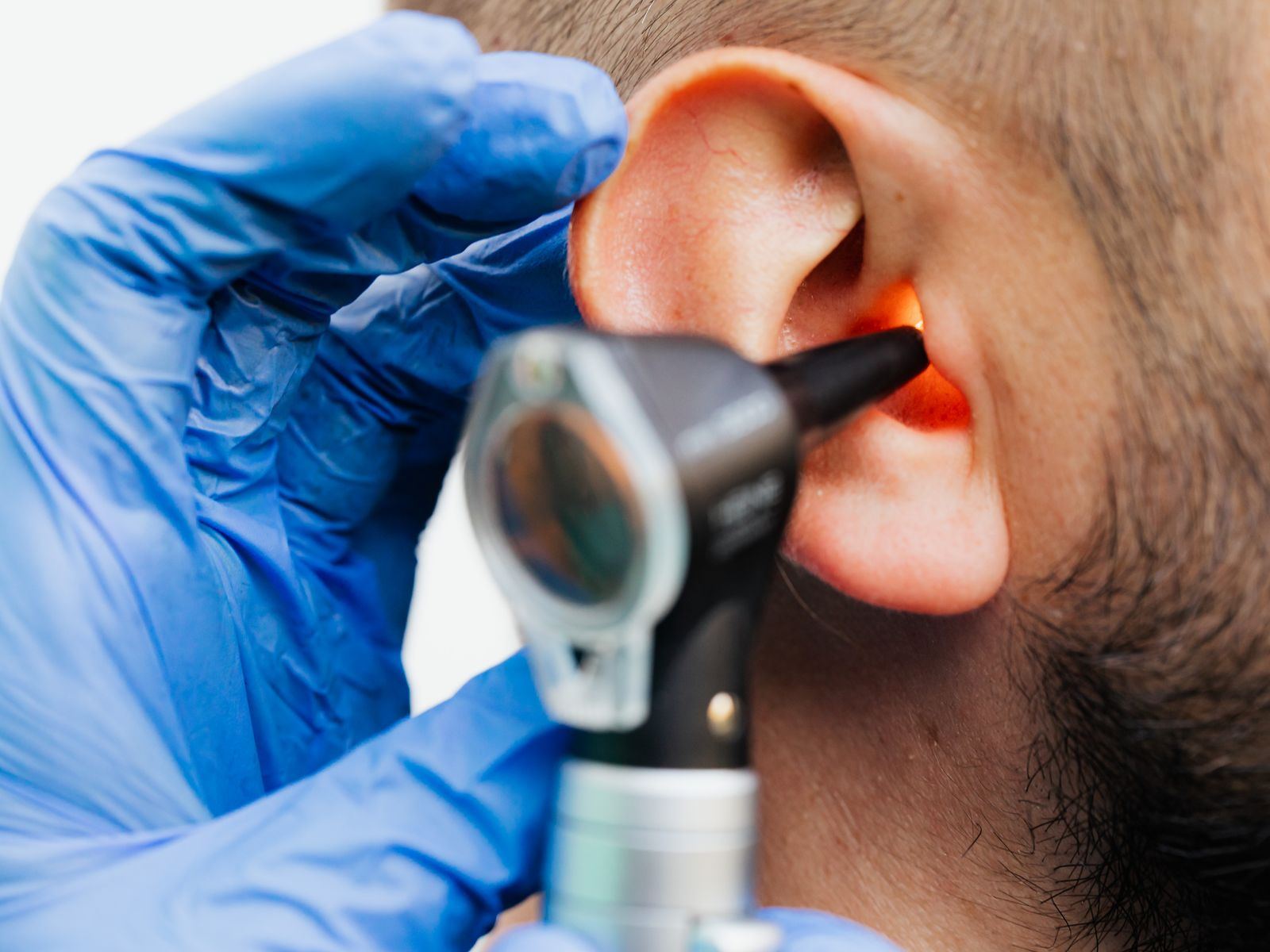
Why quiet rooms do not tell the whole story
Standard hearing checks measure the softest sounds you can detect in a silent room. That matters, but it does not reflect daily life. Most conversations happen against a backdrop of traffic, music, other voices or kitchen noise.
Someone might hear a whispered word perfectly in a clinic yet struggle to follow their partner across a dinner table. The missing piece is how the ear and brain separate speech from everything else happening at the same time. A speech in noise test fills that gap.
If you have noticed trouble keeping up in busy pubs or cafes, the problem may not be volume. It may be separation. This specific check looks directly at that ability.
How the test works in practice
During the assessment, the audiologist plays recorded sentences or individual words through headphones. At the same time, a competing sound plays alongside them. That background noise might be steady static, or recordings of several people talking at once.
The listener repeats back what they hear. The specialist gradually changes the balance between the target speech and the background noise, finding the exact point where words become too difficult to follow accurately.
This gives a score showing how much louder speech needs to be before it stands out clearly from the surrounding sound. The process takes only a few minutes within a standard appointment. Find out more about what happens during a full hearing test and the steps involved.
What the results actually show
A poor score does not automatically mean severe hearing loss. It means the auditory system struggles to filter. Someone with mild hearing loss can fail this test badly, while another person with a similar threshold score manages much better.
The result helps the audiologist decide whether hearing aids would help, and if so, which settings matter most. Modern devices include specific programs designed to reduce background chatter and lift speech frequencies. Without this test, choosing those settings relies on guesswork.
If you are wondering whether you can fail a hearing test, the answer depends entirely on what the test measures. Speech in noise scores behave differently to pure tone thresholds.
When to ask for this specific check
Mention it if you find yourself asking people to repeat themselves in groups, or if you avoid social situations because listening feels exhausting. Fatigue after a day of concentrating hard on conversations is a common sign that the brain is working overtime to compensate.
It is also worth requesting if a basic hearing check came back normal but your difficulties persist. Normal thresholds do not rule out processing problems. An audiologist in Poole can run this assessment alongside standard measurements during a single visit.
You cannot prepare for it, and there is no way to study beforehand. The goal is simply to capture how your ears handle real conditions, so the findings lead to practical help.
Ask about a hearing test in Poole
Send an enquiry to arrange an appointment. The details go to a local specialist firm who will respond to discuss dates and what the check involves. Nothing commits you to buying anything.
- No obligation to buy
- Local specialist firms
- Plain advice first